That moment when you press the handle and the water just... swirls. Weakly. Halfway. Then stops.
You flush again. Same result. Nothing goes down the way it should.
A toilet that won't flush all the way is one of the most solvable plumbing problems out there. Most of the time, it's a fix you can handle yourself in 20–30 minutes with basic tools. Other times — especially in older Tulsa homes with aging pipes — it's an early warning sign of something deeper in the drain line.
This guide walks you through all six common causes, a step-by-step troubleshooting checklist, and the clear signs that it's time to call a licensed Tulsa emergency plumber instead of reaching for the plunger one more time.
6 Reasons Your Toilet Won't Flush Completely
Before you do anything, it helps to understand what's actually happening inside your toilet. A complete flush depends on a chain of events: you press the handle, the flapper lifts, water rushes from the tank through the rim jets into the bowl, and that pressure forces everything through the trapway and down the drain. If any one part of that chain fails, you get a weak or partial flush.
Here are the six most common culprits.
1. Low Water Level in the Tank
This is the first thing to check — and it costs nothing to fix.
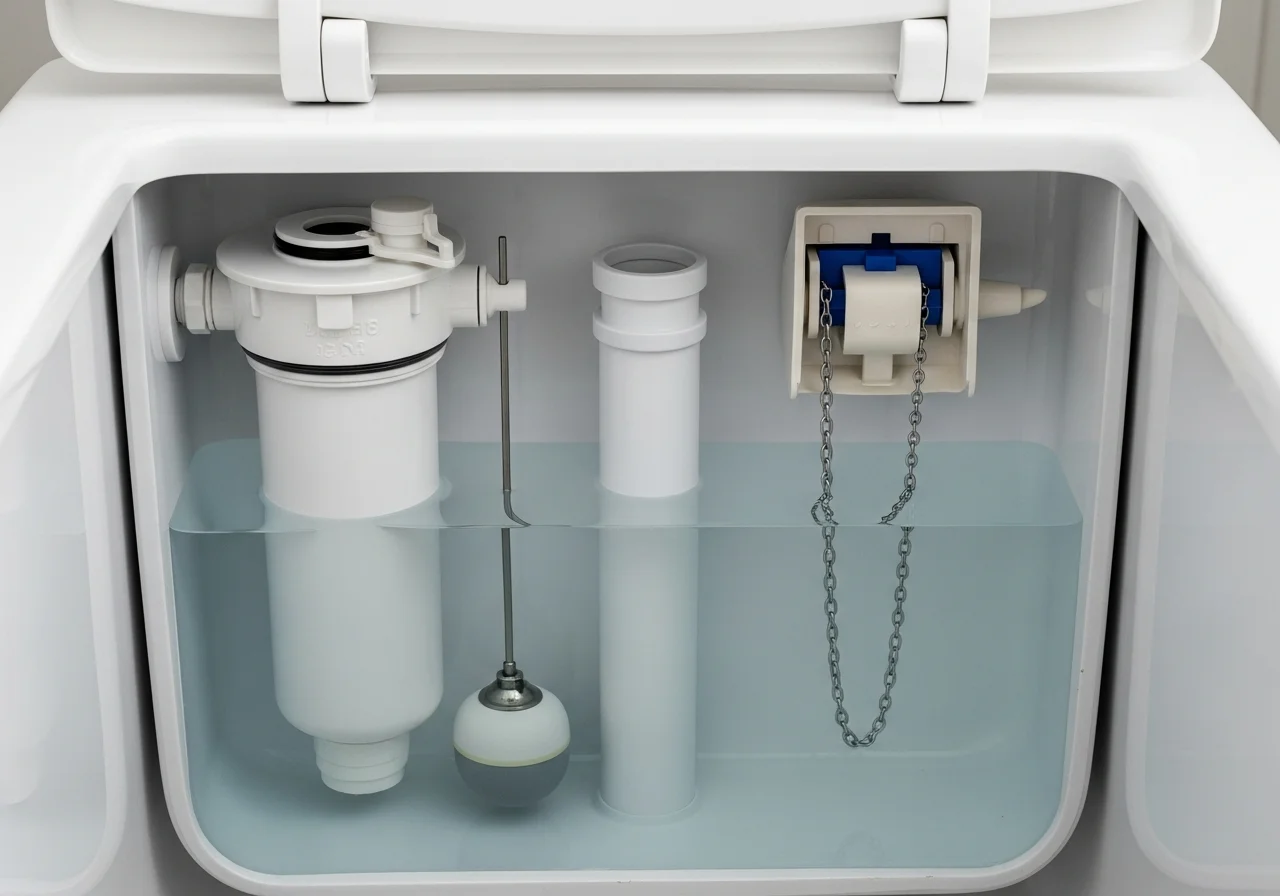
Take the lid off the tank and look at the water level. It should sit about one inch below the top of the overflow tube. If it's noticeably lower than that, there isn't enough water to create the pressure needed for a forceful flush.
Why it happens: the fill valve may be set too low, the float may have drifted out of position, or the fill valve is aging and can't fully refill the tank between flushes. In some cases, a slow internal leak is quietly dropping the level and you don't notice until the flush starts getting lazy.
The fix: Adjust the float or the water level adjustment screw on the fill valve until the tank fills to within an inch of the overflow tube. Flush several times and confirm the level stays consistent.
2. Worn or Misaligned Flapper
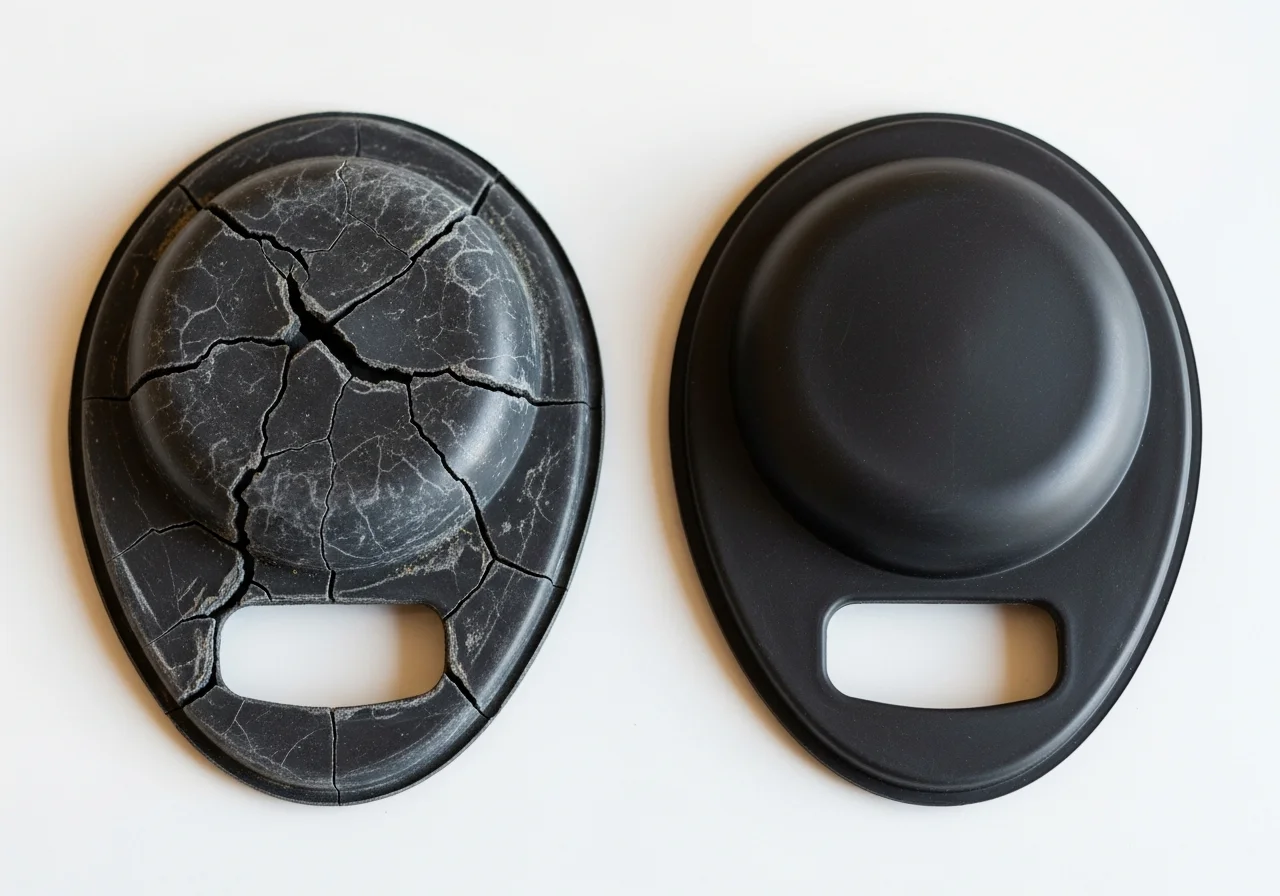
The flapper is the rubber disc that seals the bottom of the tank. When you push the handle, a chain lifts the flapper, water flows into the bowl, and the flapper drops back into place when the tank empties. If it's cracked, warped, or closing too soon, the tank releases only a fraction of its water — and the flush is weak.
Flappers typically last three to seven years. Hard water and in-tank cleaning tablets (the blue drop-in kind) degrade the rubber faster than most people realize.
How to check it: Flush the toilet and watch the flapper through the open tank. Does it close before the tank has fully emptied? Also inspect the rubber — look for cracking, warping, or mineral crust along the seal edge.
The fix: A replacement flapper costs $5–$15 at any hardware store and takes about 10 minutes to install. Make sure you match the size (2" or 3") to your toilet model. While you're in there, check the chain — it should have roughly ½ inch of slack. Too much slack and the flapper can't lift fully; too little and it won't seal properly after the flush.
3. Clogged Rim Jets (Especially Common with Tulsa's Hard Water)
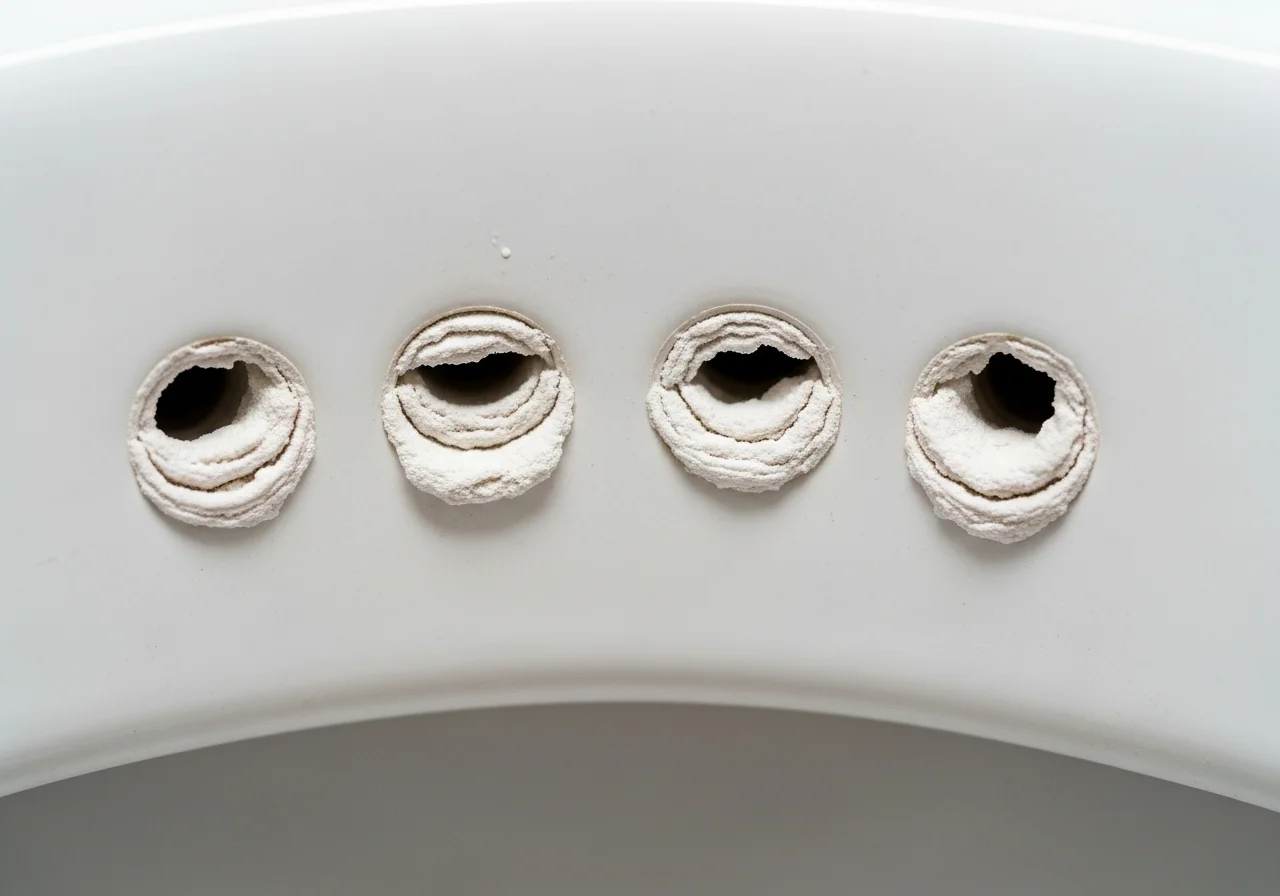
Look under the rim of your toilet bowl. You'll see a row of small holes along the inside edge — those are the rim jets. During a flush, water shoots through them to create the swirling action that clears the bowl. When they're blocked, even partially, the flushing action goes from strong to sluggish.
The Tulsa connection: Tulsa's water supply has moderate mineral hardness. Over time, calcium and lime deposits build up inside those tiny jet holes and restrict flow. This is especially common in toilets that haven't been deep-cleaned in a year or more. We see it constantly in homes across Midtown, South Tulsa, and Bixby — and it's one of the most often-overlooked fixes.
The fix:
- Turn off the water supply valve behind the toilet
- Hold the flapper open and pour 1–2 cups of white vinegar down the flush valve opening
- Let it sit for at least 2 hours — overnight is better
- Use a straightened wire coat hanger to poke out the mineral buildup in each jet hole
- Turn the water back on and flush 3–4 times to clear out loosened deposits
Use a small hand mirror to look into the holes before and after cleaning. You'll often be surprised how blocked they actually were.
4. Faulty or Slow Fill Valve
The fill valve controls how much water flows back into the tank after each flush. If it's worn, clogged with sediment, or just aging out, the tank won't refill fully — meaning your next flush starts with less water than it needs.
If your tank takes more than 2–3 minutes to refill, or you can hear water trickling long after the flush is done, the fill valve is likely the issue.
The fix: Fill valves cost $10–$30 and can be swapped out in about 20 minutes without special tools. If your toilet is more than seven to ten years old and you've never replaced the fill valve, it's a small upgrade with a noticeable payoff.
5. Partial Clog in the Trap or Drain Line
Not every clog stops the toilet completely. A partial clog — from accumulated toilet paper, wipes, or small debris — can sit in the trapway and let water pass, just not fast enough to create a full flush. The water swirls, rises slightly, drains slowly. You have to flush twice to clear the bowl.
The fix: Start with a flange plunger — the type with a soft rubber extension that cups into the drain opening, not the flat-bottomed cup style used for sinks. Fit it firmly over the drain, push down slowly to create suction, then pull up sharply. Repeat 8–10 times.
If that doesn't clear it, a toilet auger (also called a closet snake) can reach 3–6 feet into the trapway to break up or retrieve the blockage.
What to avoid: Don't use chemical drain cleaners in a toilet. They're hard on porcelain, they degrade the wax ring seal over time, and they rarely work on the type of debris that causes partial clogs.
6. Blocked Plumbing Vent Stack
This one surprises most homeowners. Your plumbing system has a vent pipe that runs straight up through the roof. Its job is to let air into the drain system so water can flow freely. When that vent gets blocked — by a bird nest, leaves, or debris (common after Tulsa's spring storms and fall leaf season) — the resulting negative air pressure makes every flush feel like it's working against resistance.
Signs your vent stack might be blocked:
- Gurgling sounds from the drain right after you flush
- Slow drains in multiple fixtures at the same time
- A faint but persistent sewer smell in the bathroom
Clearing a vent stack requires working on the roof, which isn't safe for most homeowners. This is a job for a licensed plumber with the right equipment.
Not Sure What's Causing Your Weak Flush?
Our licensed Tulsa plumbers diagnose the problem fast — no guessing, no unnecessary upsells.
📞 Call Now — Available 24/7: (918) 992-4725"My Toilet Won't Flush But It's Not Clogged" — Here's How to Tell
This is one of the most common questions we get. If you've already checked for a clog and didn't find one, the problem is almost always in the tank or the rim jets — not the drain.
Here's a simple test that narrows it down fast:
The bucket test: Pour a full bucket of water (about a gallon) directly into the toilet bowl from waist height. If the toilet flushes completely with the bucket water, the problem is in the tank — not enough water is being released when you press the handle. If the bowl still drains slowly even with the bucket, you have a partial blockage in the trapway.
Also check:
- Look under the rim with a small mirror or flashlight. If you see crusty white or brown buildup in the jet holes, that's your answer.
- Watch the flapper as you flush. If it closes before the tank fully empties, you're losing most of your flush power at the source.
A toilet that flushes weakly without any clog is almost never a sign of a major problem — but it will get worse if you ignore it. A half-working flush puts extra wear on the flapper and fill valve, and double flushing wastes more water than most people realize.
Step-by-Step: How to Fix a Toilet That Won't Flush All the Way
Work through these in order. Most homeowners find the answer by Step 3.
Step 1: Check the Water Level
Lift the tank lid. Water should sit about 1 inch below the top of the overflow tube. If it's lower, adjust the float or fill valve until it fills to the correct height. Flush several times to confirm it holds.
Step 2: Inspect the Flapper and Chain
Flush and watch the flapper. It should lift fully, stay open until the tank empties, then drop and create a complete seal. If it closes early or looks cracked and stiff, replace it. Check the chain for about ½ inch of slack — not more, not less.
Step 3: Clean the Rim Jets
Use a hand mirror to look under the rim. If the jet holes show crust or buildup, run the vinegar treatment described above. Let it soak for at least two hours, then clear each hole with a straightened wire hanger.
Step 4: Test the Fill Valve
Flush and time how long the tank takes to refill. More than 3 minutes, or a constant water sound, means the fill valve needs cleaning or replacement. This is a $10–$30 fix.
Step 5: Try a Plunger for a Partial Clog
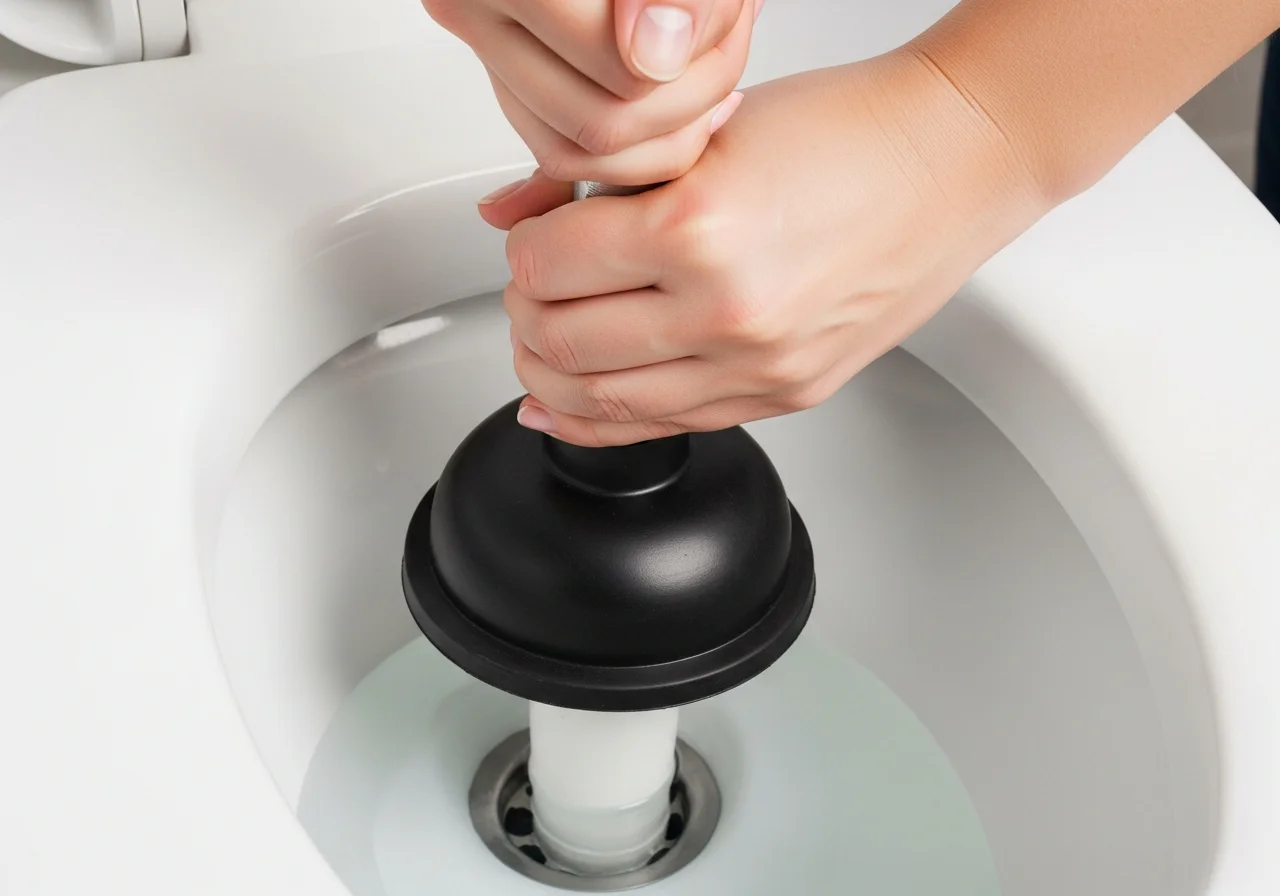
If the bucket test showed slow bowl drainage, use a flange plunger. Seal it over the drain opening, push slowly to create suction, then pull up sharply. Do 8–10 reps. Run the bucket test again to see if drainage improved.
If you've worked through all five steps and the toilet is still not flushing all the way, it's time to call a professional.
When to Stop DIYing and Call a Tulsa Plumber
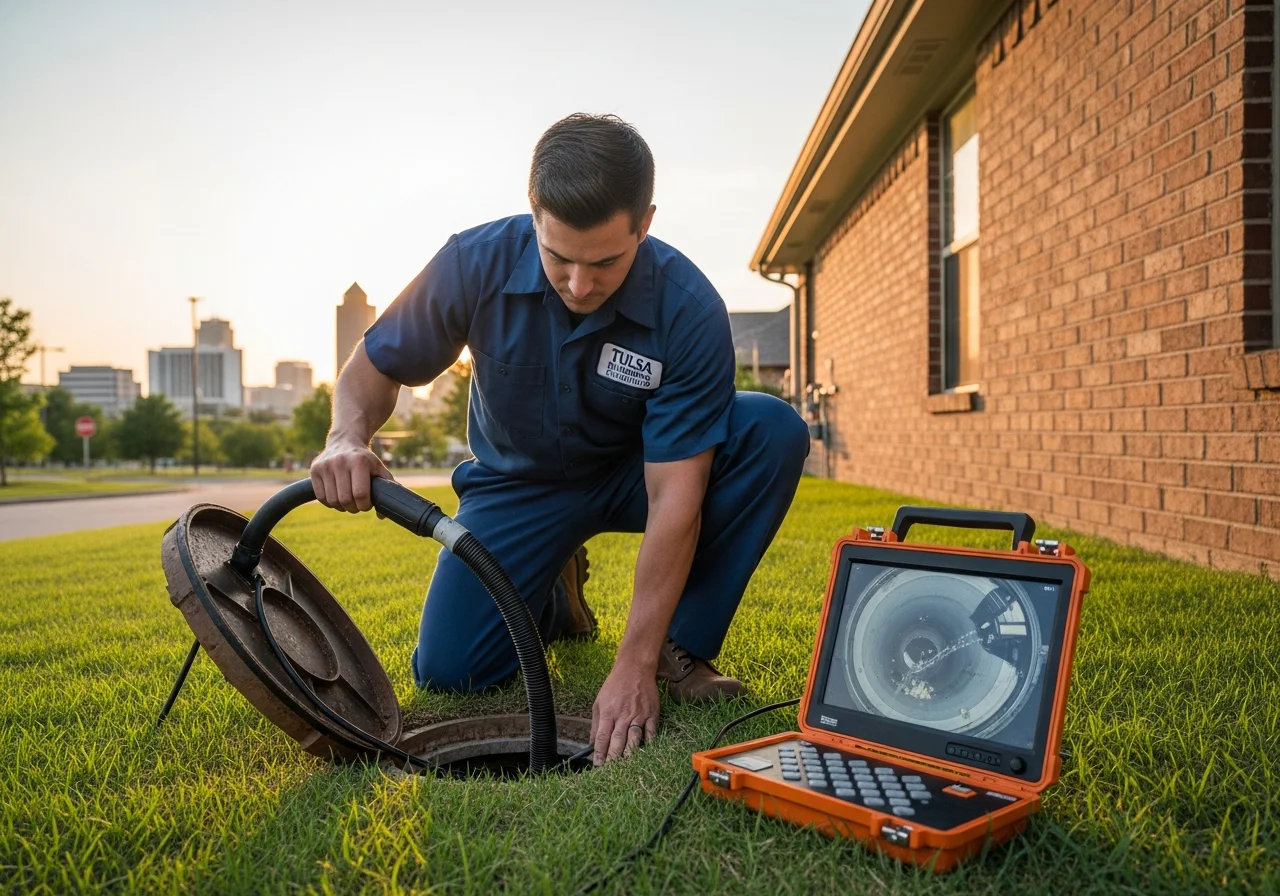
Tank repairs and rim jet cleaning are genuinely DIY-friendly. But some flush problems go beyond what a plunger and a wire hanger can fix. Call a licensed plumber if any of these apply:
Multiple bathrooms are affected. If two or more toilets in your home are flushing weakly at the same time, the problem is in the main sewer line — not the individual fixtures. That requires a sewer camera inspection to diagnose and professional drain cleaning to fix.
You hear gurgling from the toilet or nearby drains. Gurgling after a flush is a reliable sign of negative air pressure in the drain system — either a blocked vent stack or a partial sewer line clog. Neither resolves on its own.
There's a sewer smell in the bathroom. Sewer gas getting through a dry trap or a cracked vent is a drain or ventilation problem, not a tank problem.
Your home has older clay or cast iron pipes. Many Tulsa homes built in the 1940s through the 1970s — especially in Midtown, the Brady Arts District, and North Tulsa — still have original clay sewer lines. These are prone to cracking, root intrusion (Tulsa's native post oaks and red oaks are notorious for finding their way into aging sewer lines), and collapse. A persistently weak flush in an older home can be the first sign that a section of your sewer line needs attention. A sewer camera inspection is the fastest way to know for sure — we show you the footage live, so there's no guessing.
You've already tried everything on this list. If the flapper is fine, the water level is right, the rim jets are clean, and the plunger didn't help — stop. At that point, the issue is in the drain or vent system, and it requires professional tools to find and fix. Don't keep force-flushing. A slow-flush problem can become a sewage backup problem if the underlying cause is in the sewer line.
Think It Might Be More Than a Toilet Problem?
We run a sewer camera down the line and show you exactly what's happening — live, on-screen. No digging until we know what we're dealing with.
📞 Emergency? Call (918) 992-4725 — Available 24/7What Does It Cost to Fix a Toilet That Won't Flush All the Way?
Here's a realistic breakdown based on what we typically see in Tulsa-area homes:
| Problem | DIY Parts Cost | Pro Service (Labor + Parts) |
|---|---|---|
| Adjust water level / float | Free | Included in diagnostic visit |
| Replace flapper | $5–$15 | $75–$125 |
| Replace fill valve | $10–$30 | $100–$175 |
| Clean rim jets | Free (vinegar + wire hanger) | $75–$150 |
| Clear partial clog (plunger) | Free | $150–$250 |
| Vent stack clearing | Not DIY-safe | $175–$350 |
| Main sewer line clog | Not DIY-safe | $250–$600+ |
For most tank-related issues, parts cost under $30 and a confident DIYer can wrap it up in under an hour. If you're not comfortable working inside the tank, or if the problem turns out to be in the drain or vent system, a plumber can handle it in a single visit.
At Tulsa Sewer & Drain, every job is quoted at a flat rate before we start — you know the full cost upfront, with no surprises on the invoice.
How to Keep Your Toilet Flushing Strong
A few habits go a long way toward preventing weak flushes before they start:
- Flush only the three Ps: pee, poop, and (toilet) paper. Wipes — even the ones labeled "flushable" — are one of the most common causes of partial clogs we pull out of Tulsa drain lines. They don't break down the way toilet paper does.
- Monthly vinegar treatment: Once a month, pour a cup of white vinegar into the tank and let it circulate during the next flush. This slows mineral buildup in the rim jets — especially helpful in South Tulsa, Jenks, and Bixby where water hardness tends to be a bit higher.
- Check the flapper every year: Even if it looks fine, a flapper that's been in service for more than four or five years is worth replacing proactively. A slightly degraded flapper wastes water and weakens the flush long before it fails completely.
- Don't ignore early symptoms. A toilet that's starting to flush slowly almost never fixes itself. Catching a worn flapper or clogged rim jets early is a 20-minute DIY fix. Ignoring it for six months often means calling a plumber.