Your garbage disposal is one of those kitchen appliances you barely think about — right up until it starts smelling like last week’s dinner, drains slowly, or backs up your whole sink.
After years of clearing kitchen drain clogs and disposal backups all across Tulsa, we’ve seen the same items cause the same problems over and over. The good news is most disposal damage is completely avoidable. The bad news is a lot of commonly-held “disposal wisdom” is wrong.
Here’s the straight story on what goes in and what doesn’t.
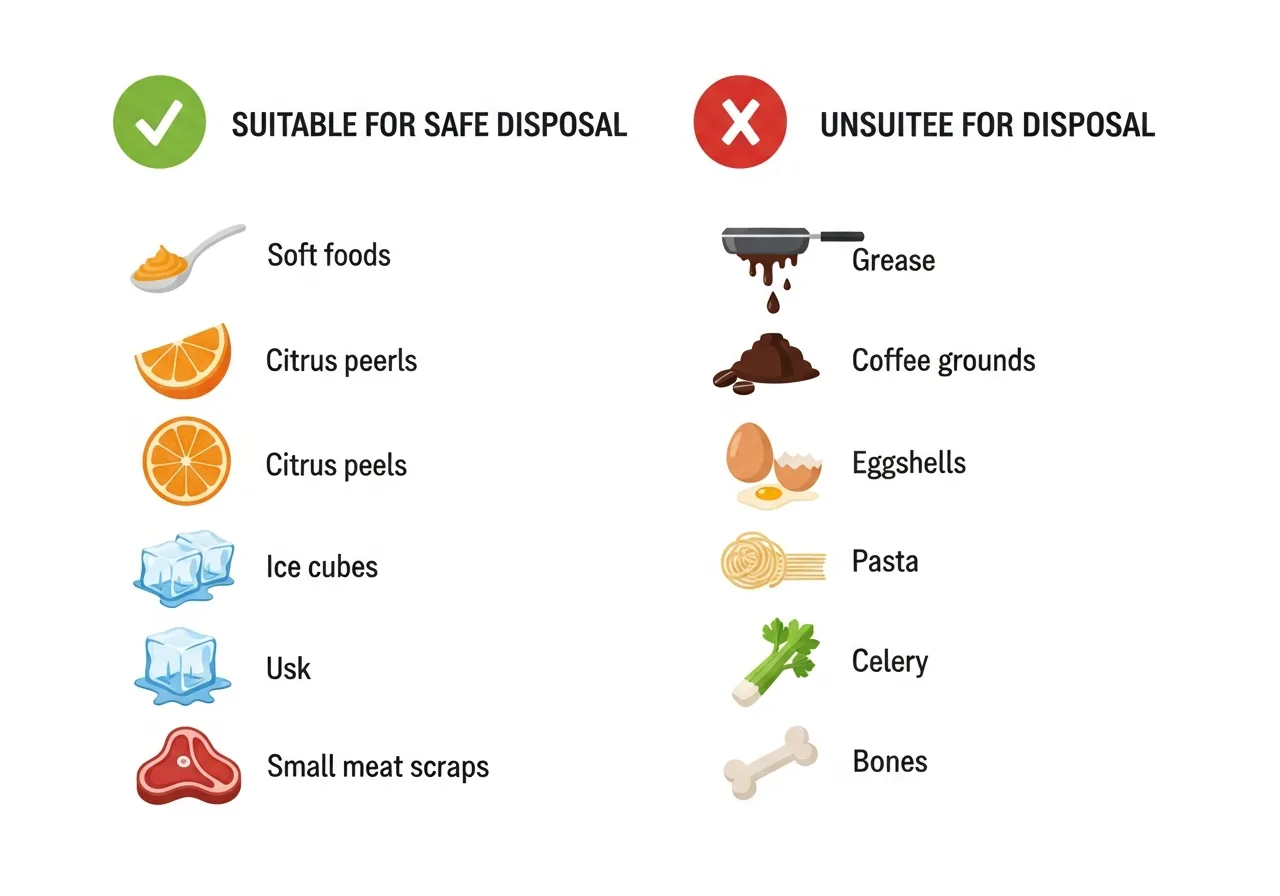
The Short Answer
Think of your garbage disposal as a food scraper, not a trash can. It’s designed to grind small, soft food scraps — not handle everything left on your plate. A quick rule of thumb: if it’s soft, small, and easy to break down, it’s probably fine. If it’s stringy, starchy, greasy, or hard, keep it out.
What You CAN Put Down Your Garbage Disposal
Soft Foods
Cooked vegetables, soft fruit pieces, and everyday plate scrapings are exactly what disposals are built for. Small amounts of soft, easily-ground food are no problem — just don’t dump everything in at once. Feed it in gradually.
Citrus Peels (Cut Into Small Pieces)
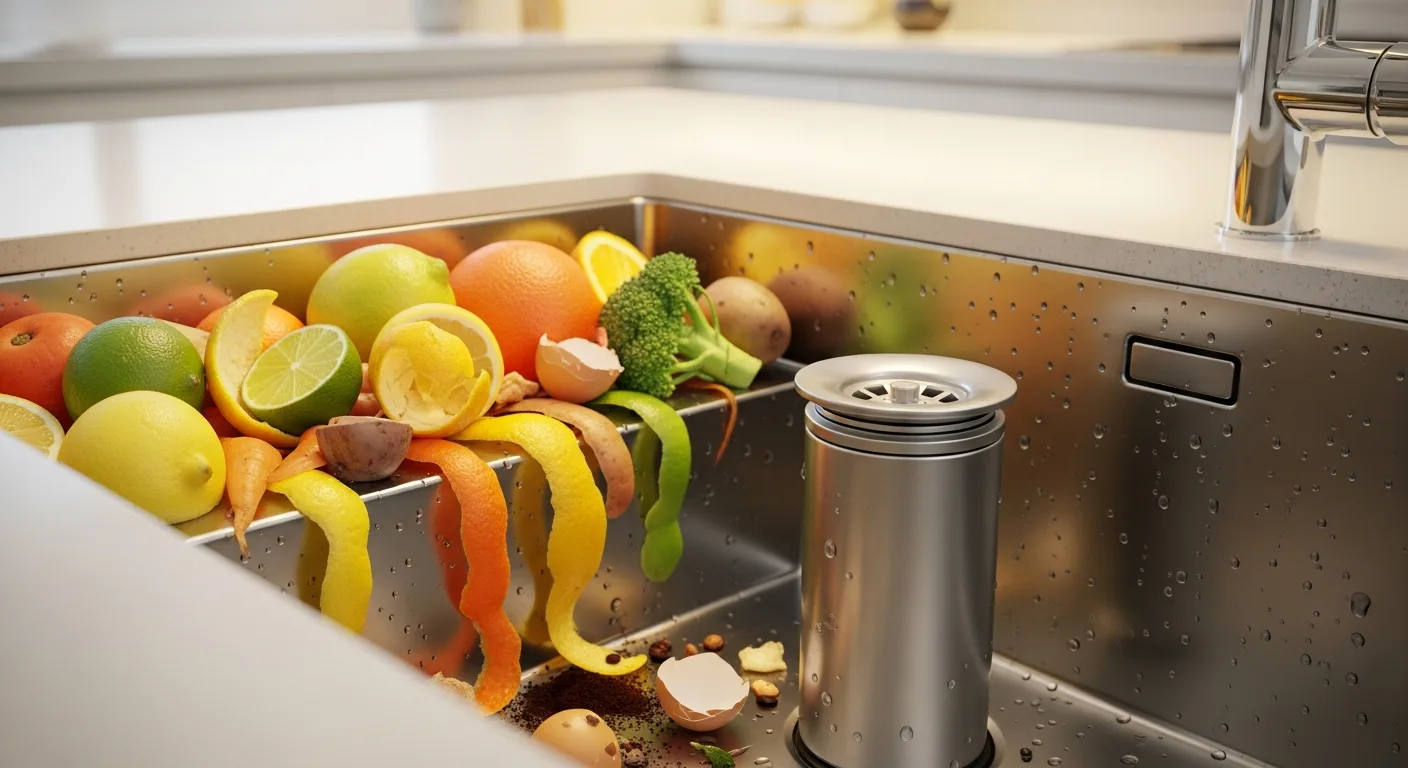
Lemon, lime, and orange peels are actually one of the best things you can run through your disposal. They naturally deodorize the unit, cut through greasy residue on the blades, and leave the drain smelling fresh. Cut them into small chunks first — large pieces of rind can overwork the motor.
Ice Cubes
Grinding ice is one of the easiest maintenance habits you can build. The cubes scrub the walls of the grinding chamber, loosen food residue stuck to the blades, and help cut odors. Run a handful through once a week and you’ll notice the difference.
Small Cooked Meat Scraps
Small pieces of cooked chicken, beef, or fish are fine. The operative word is small — shredded or cut-up scraps that don’t force the motor to work hard. Large chunks of meat should go in the trash.
Dish Soap and Cold Water
Not technically food, but worth including here. Running dish soap and cold water through the disposal after every use cleans the reservoir and helps prevent odor from building up. Simple, effective, and most people skip it.
Kitchen Drain Running Slow?
Most disposal-related clogs clear fast with professional same-day drain cleaning. Our Tulsa team is available 24/7 — real licensed plumbers answer the phone, not a call center.
📞 Call (918) 992-4725 for Same-Day ServiceWhat You Should NEVER Put Down Your Garbage Disposal
This is the list that actually matters. These are the items we pull out of clogged kitchen drains in Tulsa every single week.
Grease, Oil, and Cooking Fat
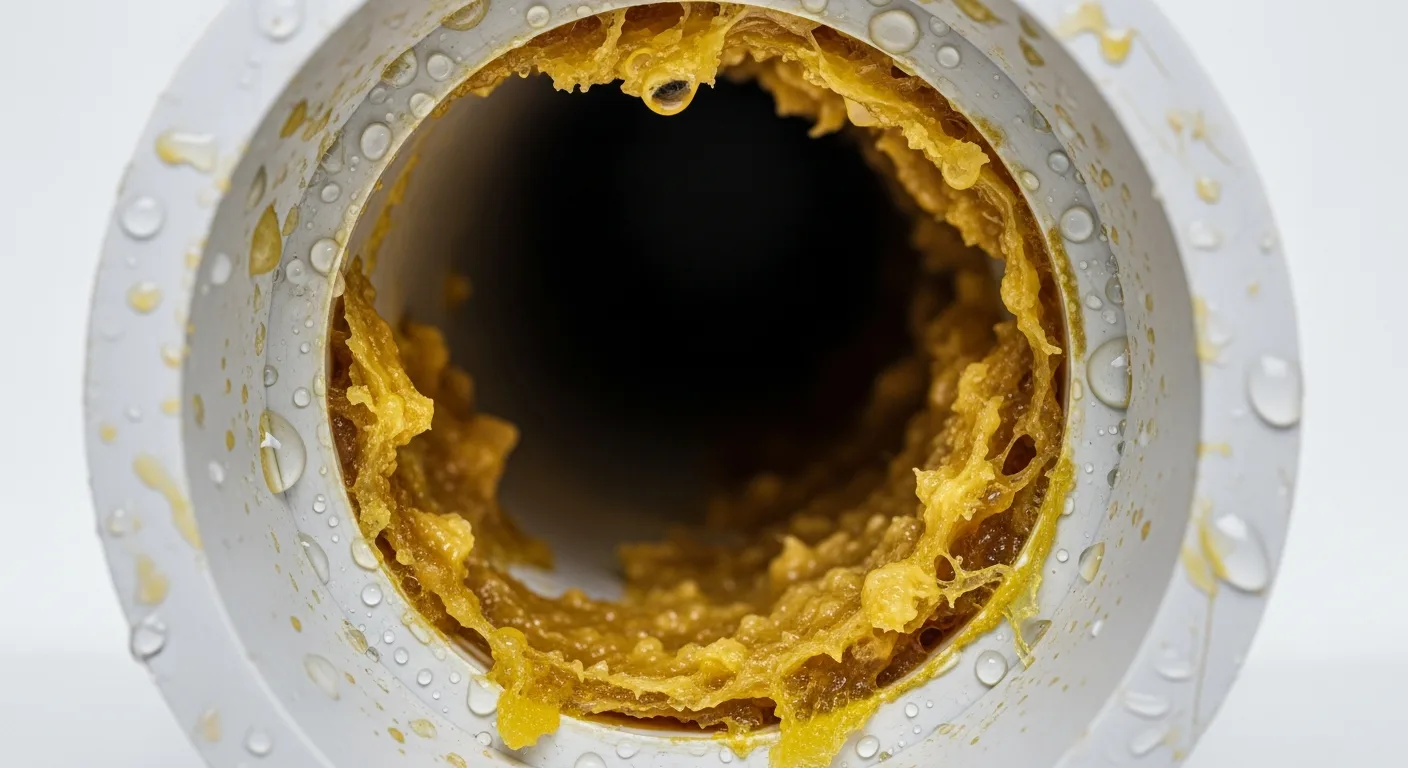
This is the number-one killer of kitchen drains. Grease feels harmless when it’s hot and liquid — but as it cools inside your pipes, it hardens into a thick, sticky coating. Over time, it narrows your drain line and creates a surface that traps everything else that passes through. In older Tulsa homes — especially Midtown and North Tulsa properties with original cast-iron or clay drain pipes — grease buildup is a fast path to a completely blocked drain. Pour hot grease into a jar or can, let it solidify, and toss it in the trash.
Coffee Grounds
This one surprises most people. Coffee grounds seem fine — small, gritty, rinseable. But they clump together when wet and form a dense, paste-like mass that settles in your P-trap and drain line. We’ve snaked plenty of Tulsa kitchen drains packed solid with coffee grounds. They go in the trash or compost bin.
Eggshells
The shell itself isn’t the main problem — it’s the thin membrane lining the inside. That membrane can wrap around the grinding components inside your disposal and collect other debris like a net, building up a sticky clog over time. Skip the eggshells and put them in the trash or compost.
Rice, Pasta, Bread, and Starchy Foods
Starches absorb water and keep expanding. Rice or pasta put down the disposal will swell inside your drain line and create a gelatinous plug that barely lets water through. Bread does the same. We see slow kitchen drains caused by starchy food buildup constantly — especially in homes where the disposal handles a lot of cooking scraps. These belong in the trash or compost.
Fibrous Vegetables
Celery, asparagus, corn husks, artichokes, kale stems, rhubarb — anything with long fibers is a motor hazard. The strands wrap around the grinding components like thread on a spool, slowing the blades or jamming the motor completely. Fibrous scraps are better suited for the compost pile.
Most Bones
Small, brittle fish bones in small quantities are generally okay. But chicken bones, pork bones, and beef bones are too hard for residential disposal motors. They can chip the grinding components, score the chamber walls, or rattle around causing vibration damage over time.
Non-Food Items
Fruit stickers, rubber bands, twist ties, food wrappers, paper towels — nothing non-food should go near your disposal. Make it a habit to do a quick visual check before you flip the switch.
What to Put Down Your Disposal to Clean and Deodorize It
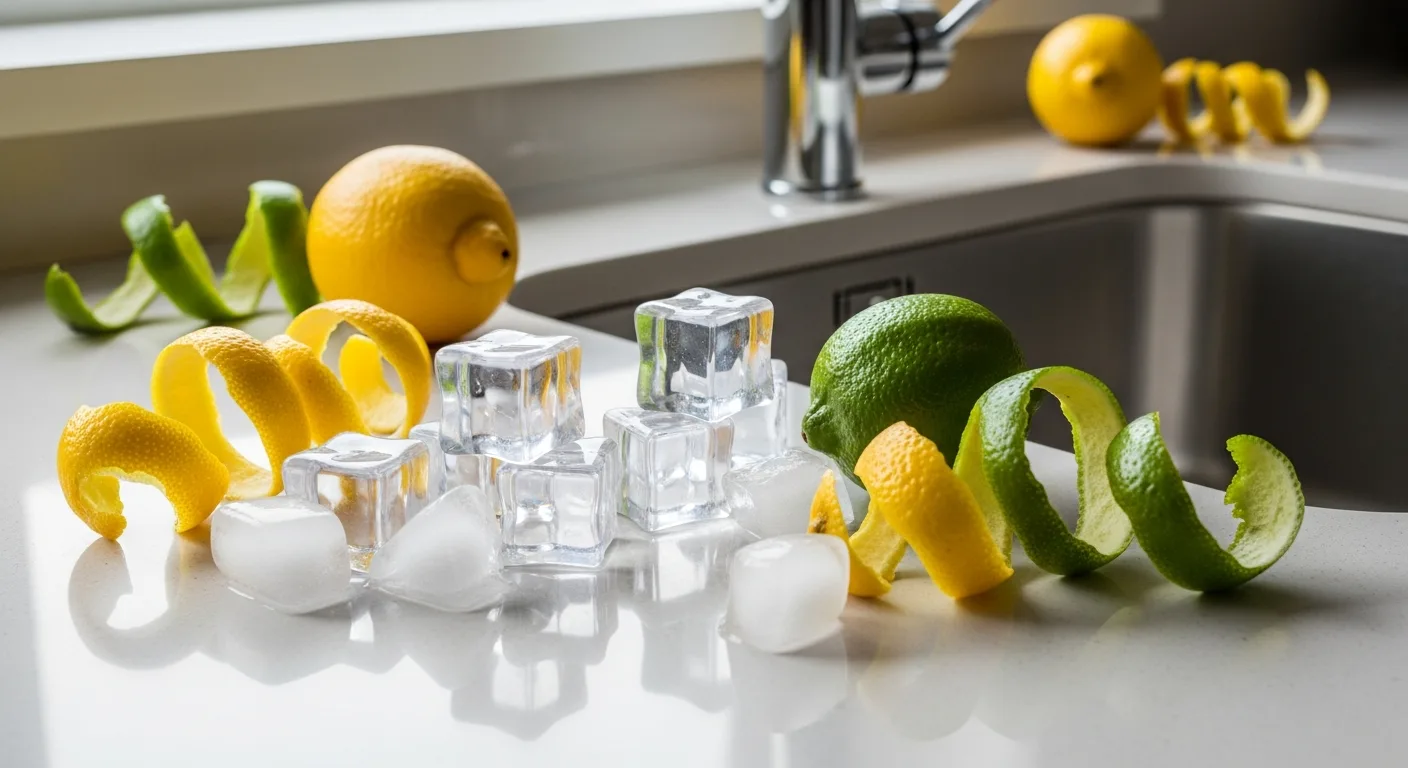
If your disposal has developed an odor, one of these will fix it without reaching for harsh chemicals:
- Ice + coarse salt — The abrasive combo scrubs the grinding chamber walls and blades
- Citrus peels — Lemon or lime work best; they freshen naturally and cut through grease residue
- Baking soda + white vinegar — Pour a few tablespoons of each down the drain, let it fizz for about a minute, then flush with cold water
- Dish soap + cold running water — Run this through after every use as a quick daily maintenance step
Stay away from bleach and chemical drain cleaners. They degrade the rubber components inside your disposal and can damage older pipe fittings over time.
How to Use Your Garbage Disposal the Right Way
Even with the right foods, bad technique causes problems. Here’s the correct sequence every time:
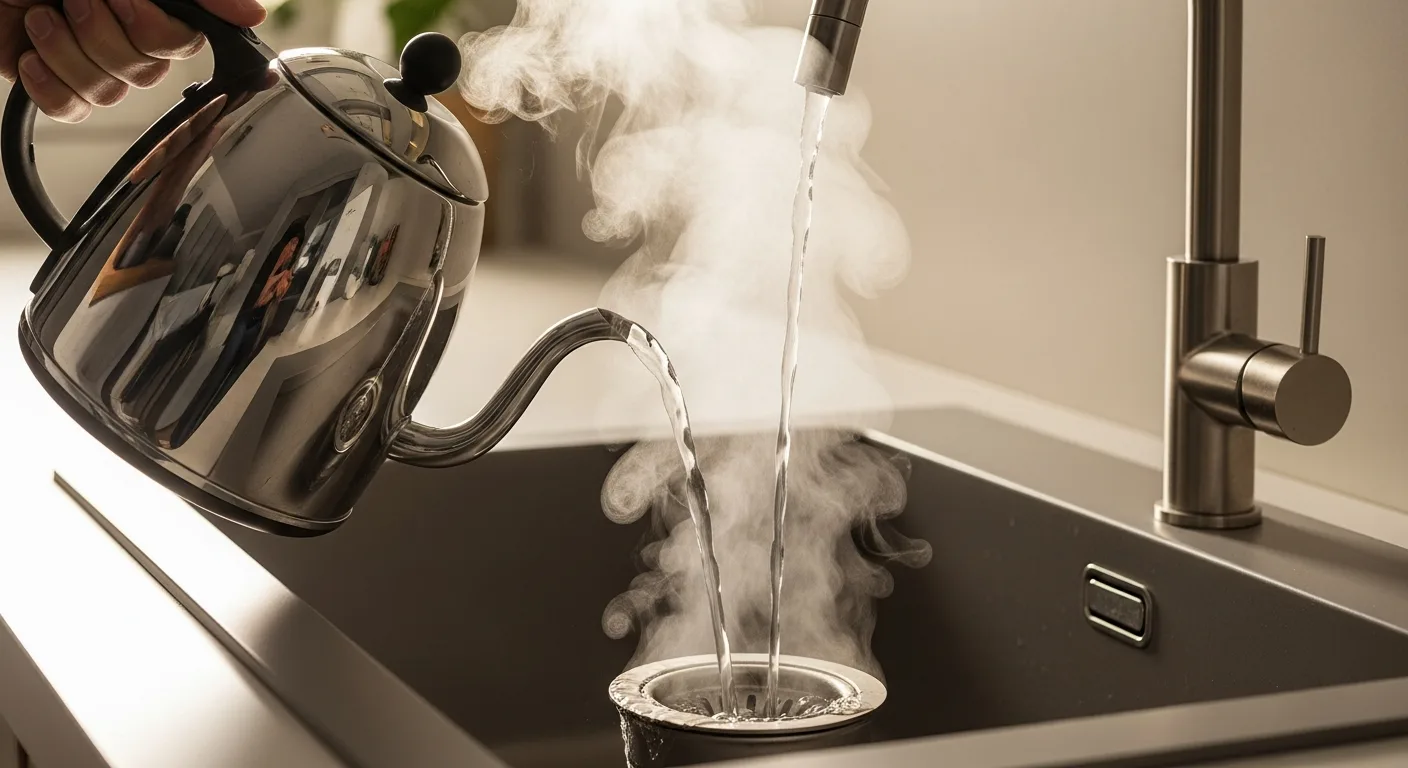
- Turn on cold water first — always cold, never hot. Hot water can partially liquefy grease, letting it coat your pipes before it re-hardens further downstream.
- Turn on the disposal
- Feed food in gradually — don’t dump a full load in at once
- Wait until the grinding sound stops
- Keep the water running for 15–20 more seconds — this flushes everything through the drain trap and into the main line
- Turn off the disposal, then the water
That extra 15–20 seconds after grinding stops is the step most people skip. It’s one of the simplest ways to prevent buildup at the drain trap, and it costs you nothing.
Tulsa’s Drain Specialists — Here When You Need Us
From garbage disposal clogs to full drain cleaning and hydro jetting service, we handle it all across Tulsa, Broken Arrow, Owasso, Bixby, and beyond. Flat-rate pricing. No surprises.
📞 Call (918) 992-4725 Book OnlineA Note for Older Tulsa Homes
If your home was built before the 1970s — that includes much of Midtown, the Pearl District, Brady Arts District, and older neighborhoods in North and East Tulsa — there’s a good chance your kitchen drain lines are original cast-iron or clay pipe. These pipes have smaller internal diameters than modern PVC, which makes them more susceptible to buildup from grease, starch, and coffee grounds.
We’ve cleared plenty of Tulsa kitchen drains where a disposal had been running for years “without problems” while quietly building up a serious clog well down the line. By the time the sink starts draining slowly, the blockage is often a foot or more into the wall.
If your kitchen drain is running slow and your home is older, a hydro jetting service can clear years of accumulated buildup in a single visit. Ask us about it when you call.
What to Do When Your Disposal or Drain Backs Up
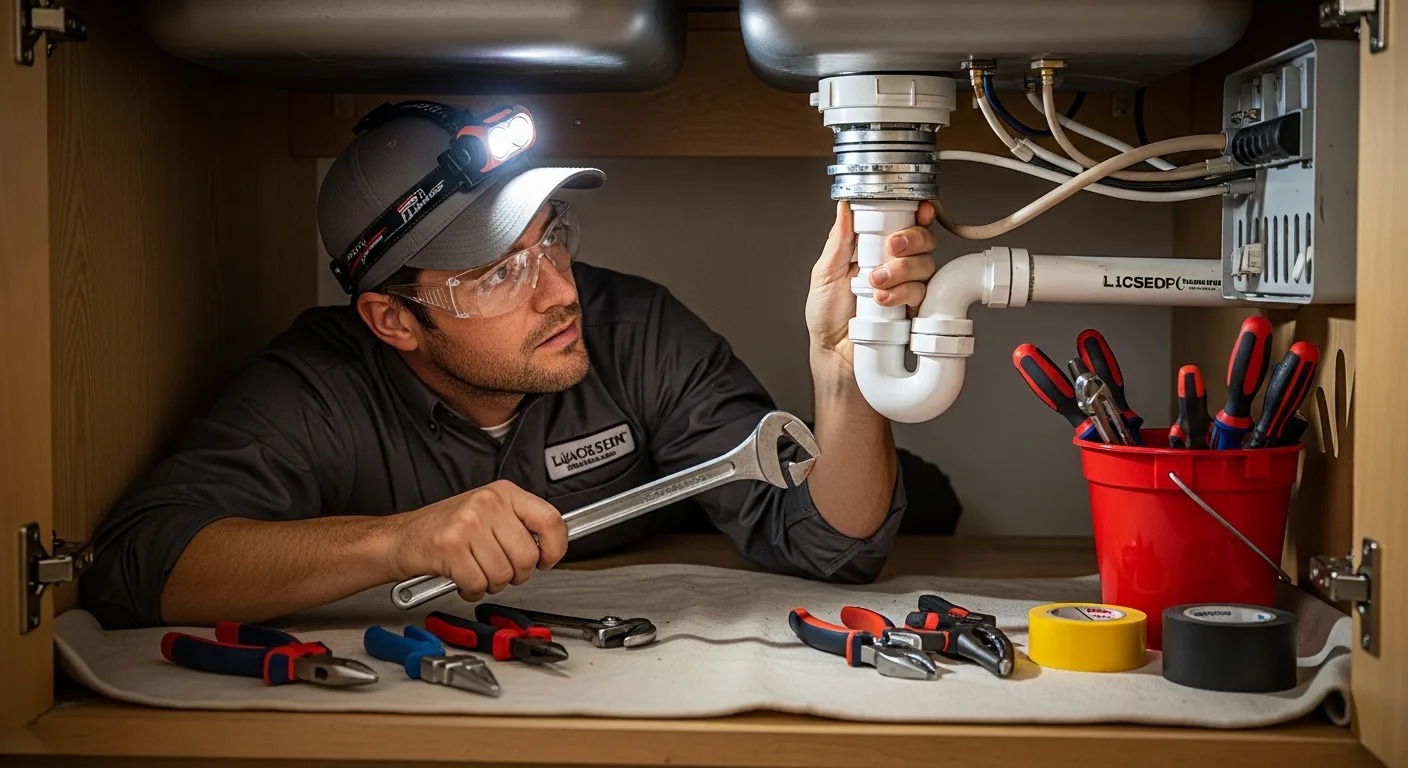
Even careful homeowners deal with disposal clogs at some point. If your kitchen sink has slowed down or stopped draining:
- Don’t run the disposal repeatedly trying to force it through — you risk burning out the motor
- Don’t pour chemical drain cleaner down the drain — it often makes organic clogs worse and can damage your pipes
- Try the reset button on the bottom of the disposal unit if the motor has stopped completely
- Call a drain professional if the drain is slow, the disposal won’t reset, or water is backing up into the sink
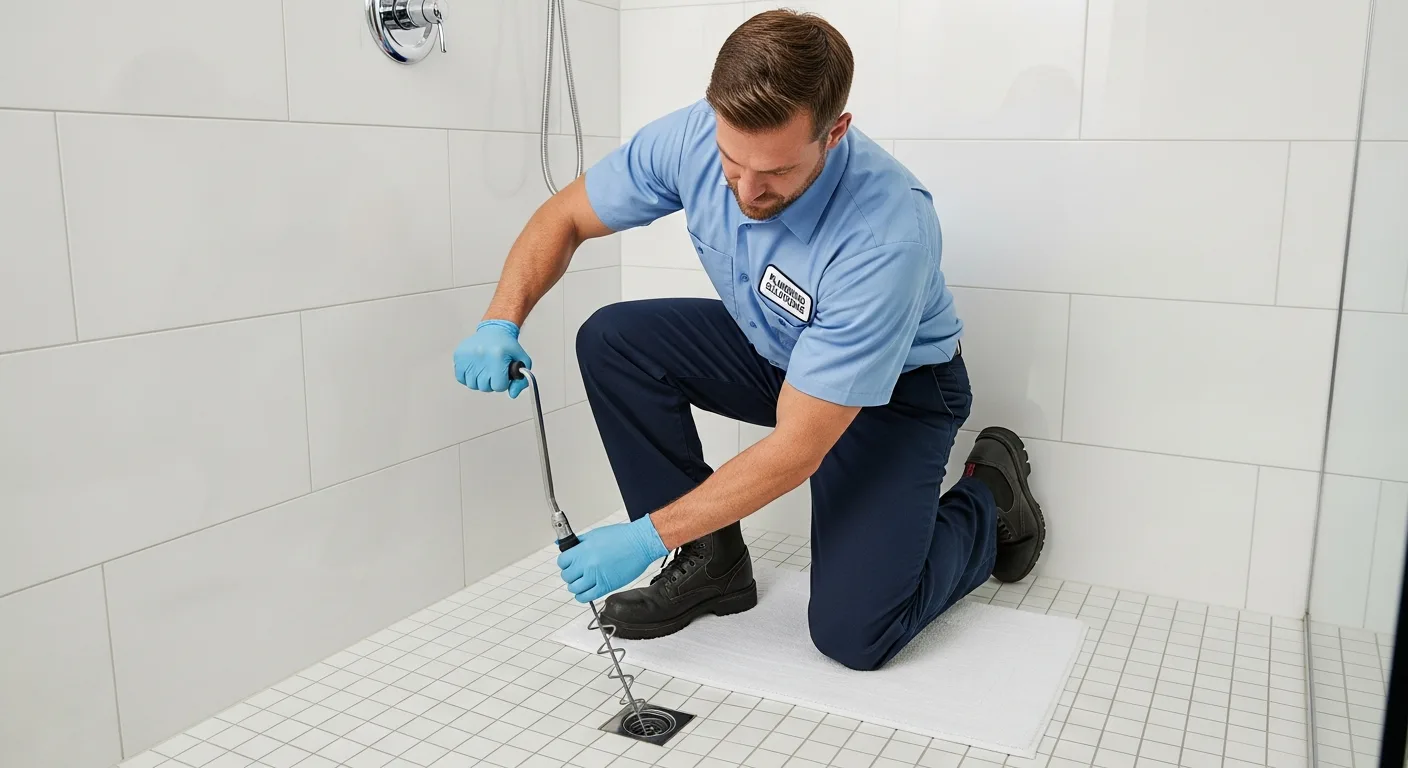
Our team can clear most kitchen drain backups the same day. We use professional drain snaking and hydro jetting to clean the full line — not just the first inch of it. If the issue is deeper, we can inspect your drain line with a camera and show you exactly what’s going on before any repair work begins.
Frequently Asked Questions
What is okay to put down a garbage disposal?
Soft foods, small cooked meat scraps, citrus peels (cut small), ice cubes, and dish soap with cold water are all safe. Think of it as a plate scraper for small food scraps — not a replacement for your trash can.
What foods are safe to put in a garbage disposal?
Soft, easily-broken-down foods — cooked vegetables, soft fruit chunks, small pieces of cooked meat, and most everyday dinner scraps. Citrus peels and ice cubes are also beneficial for the unit itself and help with cleaning and odor control.
What can and cannot be put in a garbage disposal?
Safe: soft foods, citrus peels, ice, small cooked meat pieces, dish soap. Not safe: grease and oil, coffee grounds, eggshells, starchy foods (rice, pasta, bread), fibrous vegetables (celery, asparagus, corn husks), most bones, and any non-food items. When in doubt, trash it.
Can coffee grounds go down the garbage disposal?
No — despite what many people assume, coffee grounds are one of the most common causes of kitchen drain clogs. They clump together into a dense, paste-like mass inside your P-trap and drain line that doesn’t flush away easily. Toss them in the trash or add them to your compost pile.
Can you put eggshells down the garbage disposal?
It’s best to avoid them. The thin membrane lining the inside of eggshells can wrap around the grinding components and trap other debris, contributing to clogs over time. Compost them instead — they’re great for the garden.
What can I put down the garbage disposal to make it smell better?
The most effective options: cut-up citrus peels (lemon or lime work great), a handful of ice mixed with coarse salt, or a baking soda and white vinegar flush followed by cold water. These deodorize naturally without damaging the rubber components inside your disposal the way bleach and chemical cleaners can.
Should I use hot or cold water with my garbage disposal?
Always cold water. Hot water can partially liquefy grease, letting it flow deeper into your drain line before it re-hardens and creates a coating on the pipe walls. Cold water keeps grease solid so it gets ground up and flushed through, rather than coating your pipes.
Can anything go down a garbage disposal?
Not quite everything. Your disposal is designed for soft, small food scraps — not all kitchen waste. Running the wrong items through it leads to jammed motors, clogged drain lines, and the kind of backed-up kitchen sink that requires a professional to fix.
Got a Disposal Clog? We’ll Clear It Today.
Don’t run the disposal over and over hoping it clears itself — that burns out the motor. One call to Tulsa Sewer & Drain and we’ll have your kitchen drain flowing again, usually same day.
📞 Call (918) 992-4725 — 24/7 Emergency Line Available